Common Problems Invisalign Calabasas CA Can Correct
@augustjbzq045
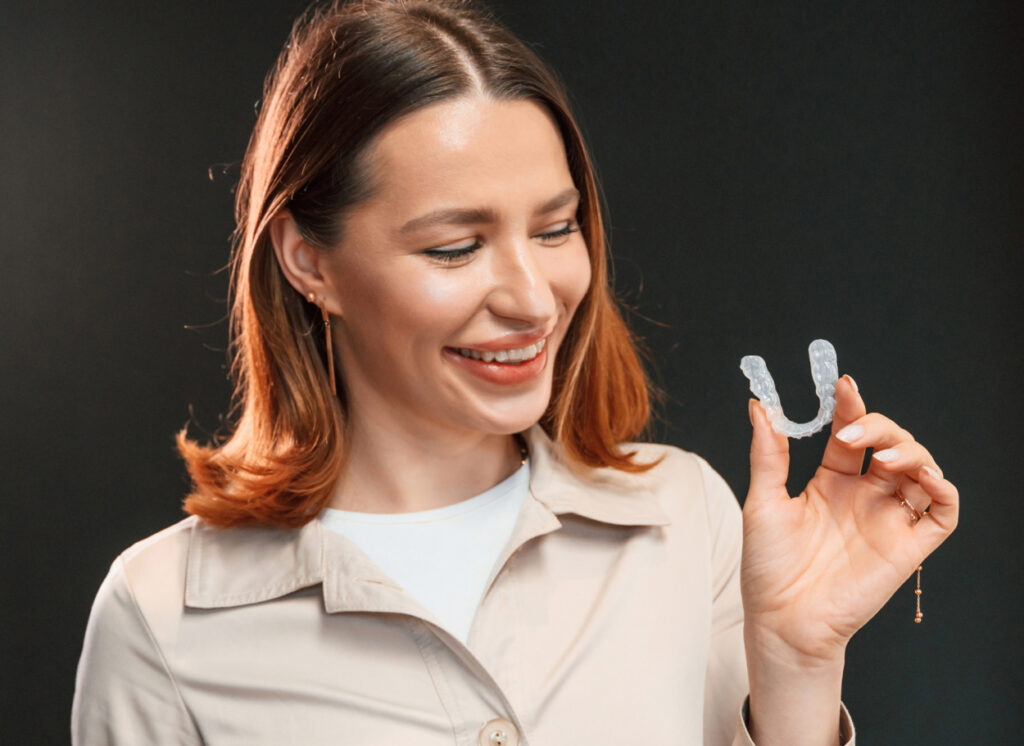
A straight smile is the part people notice first, but alignment affects much more than appearance. When teeth sit in the wrong positions, cleaning gets harder, bite forces become uneven, and small issues can snowball into wear, gum irritation, or jaw strain. That is why so many adults and teens who once assumed braces were their only option now ask about clear aligners.
In a place like Calabasas, where many patients want effective treatment without drawing attention to it at work, on camera, or in social settings, Invisalign often comes up early in the conversation. The real question is not whether the trays are discreet. It is whether they can actually correct the problems a patient has. In many cases, the answer is yes. Invisalign Calabasas CA treatment can address a wide range of orthodontic concerns, from mild crowding to more complicated bite issues, provided the case is diagnosed carefully and managed with realistic goals.
The details matter. Aligners are not magic plastic shells that somehow move teeth on their own. They work because a dentist or orthodontic provider maps out highly specific tooth movements, often making use of attachments, enamel contouring, elastics, and staged changes over time. When the plan is sound and the patient wears the trays as instructed, clear aligners can produce excellent results.
Crooked teeth and mild to moderate crowding
Crowding is one of the most common reasons people seek treatment. Some patients have one front tooth that twists inward. Others have lower incisors stacked tightly together or upper teeth that overlap enough to make flossing frustrating. Crowding can range from subtle to severe, and the severity affects how predictable aligner treatment will be.
For mild to moderate crowding, Invisalign tends to perform very well. Each set of trays applies controlled pressure to shift teeth gradually into better positions. A patient might start with a lower front tooth tucked behind the others, then over several months watch that tooth move into line as space is created across the arch. In practice, this is one of the most satisfying changes for patients because they often notice visible improvement fairly early.
There is a practical health benefit here too. Crowded teeth create tight contact areas and overlapping surfaces that are Invisalign Calabasas CA hard to brush and floss. Plaque hangs on in those spots. Gums stay inflamed. Staining can become more pronounced. Once the teeth are aligned, home care becomes much easier. I have seen patients who thought they simply had “bad gums” discover that a large part of the problem was access. Their technique was fine, but their teeth were too crowded to clean well.
That said, severe crowding is a different conversation. If there is not enough room in the arch, the provider may recommend slenderizing certain teeth very slightly, expanding the arch within safe limits, or in some cases discussing alternative treatment approaches. Good planning is what separates a smooth case from a frustrating one.
Spacing and visible gaps
Not every alignment problem is about too little space. Some people have the opposite issue. Small gaps between teeth, especially the upper front teeth, can make a smile feel unfinished even when the teeth look otherwise healthy. Spacing can happen because of genetics, missing teeth, differences in tooth size, habits, or shifts that occur over time.
Invisalign is often a strong option for closing these gaps. Aligners can guide teeth toward one another in small increments while controlling root position so the result is stable and esthetic. That root control matters more than many patients realize. Closing a space at the biting edge without properly positioning the root can leave the result looking off or make relapse more likely.
A common example is a central gap, sometimes called a diastema, between the two upper front teeth. If the space is modest and the bite allows it, clear aligners can usually close it effectively. If the gap exists because the front teeth are small relative to the arch, the best result may involve a combination of Invisalign and cosmetic bonding. In that case, aligners put the teeth in the ideal positions first, then bonding fine-tunes the shape and proportion. The final smile looks far more natural than simply pushing teeth together without addressing size discrepancies.
Spacing farther back in the mouth can also improve with aligners, though treatment planning becomes more nuanced when missing teeth are involved. If a patient is considering an implant or bridge, the provider may use Invisalign to create the exact amount of space needed for the future restoration.
Overbite, when the upper teeth overlap too much
Many people use the term overbite loosely, but clinically it refers to the vertical overlap of the upper front teeth over the lower front teeth. A slight overbite is normal. Problems arise when that overlap is excessive. In deeper bites, the lower front teeth may barely show when a person speaks or smiles, and in more severe cases they can strike the tissue behind the upper front teeth.
Invisalign can often improve a deep overbite, especially in mild to moderate cases. This is important because deep bites are not just cosmetic concerns. They can contribute to uneven tooth wear, chipping of front teeth, and stress on the bite over time. Patients sometimes come in focused on straightening a couple of front teeth, only to learn that their larger issue is vertical overlap.
Correcting a deep overbite with aligners usually involves a mix of movements, such as intruding certain teeth slightly, leveling the arches, and coordinating how upper and lower teeth meet. Some cases also use attachments, those small tooth-colored shapes bonded to the teeth, to give the trays better grip. Patients occasionally dislike the idea of attachments until they understand what they do. In many cases, they are the reason aligners can handle bite correction at all.
A deeper bite can also make lower crowding worse over time. The lower front teeth sit under heavy influence from the upper front teeth, and the space dynamics can get more complicated with age. That is one reason adults in their forties and fifties sometimes feel their teeth “suddenly shifted” even though the process has been gradual.
Underbite and edge-to-edge bite concerns
An underbite occurs when the lower teeth sit in front of the upper teeth. Sometimes the issue stems mainly from tooth position. Other times it reflects a skeletal relationship between the jaws. This distinction matters. Clear aligners can correct some dental underbites, especially mild ones, but they cannot change every jaw discrepancy.
When the problem is primarily dental, Invisalign may move the upper and lower teeth into a healthier relationship. This can improve function and appearance and reduce wear on the front teeth. Patients with an edge-to-edge bite, where the upper and lower front teeth meet directly, often benefit from treatment because that contact pattern places the incisal edges at risk for chipping.
More complex underbites may require elastics in addition to aligners, or they may be better suited for comprehensive orthodontic treatment with a specialist. In severe skeletal cases, surgery can sometimes be part of the discussion. The important point is not to assume every underbite can be handled the same way. A careful exam, photos, digital scans, and bite analysis tell the real story.
Crossbite and the uneven fit that often goes unnoticed
Crossbite is one of those terms patients rarely use on their own, but they often describe its effects. They may say one side “hits first” when they close, or that one upper tooth sits inside the lower teeth instead of outside them. A crossbite can involve the front teeth, the back teeth, or both.
Invisalign can be very effective for certain crossbites, particularly when the issue is dental rather than skeletal. Correcting it matters because a crossbite can create uneven pressure on specific teeth and lead to gum recession, wear facets, or functional shifts in the jaw. I have seen patients who thought they had a random sensitive tooth, only to discover that the tooth was taking too much force because of a crossbite pattern.
Posterior crossbites, involving back teeth, may respond well when arch coordination and tooth tipping are planned properly. Anterior crossbites, where one or more upper front teeth bite behind the lowers, can also improve with aligners if enough space and proper mechanics are built into the treatment.
There is a judgment call here. Some crossbites look minor on first glance but involve more complex jaw relationships underneath. Others appear dramatic but are fairly straightforward to correct because the problem is isolated to a few teeth. Experience matters in sorting that out.
Open bite, especially in patients with tongue habits or past thumb sucking
An open bite means the upper and lower teeth do not touch where they should when the mouth closes. Most people picture a gap between the front teeth, and that is common, though open bites can occur elsewhere. This problem can affect chewing, speech, and smile appearance.
Invisalign can often help close mild to moderate open bites, especially when the main issue is tooth position. Some of the most rewarding cases involve adults who have always struggled to bite through foods like sandwiches or pasta with their front teeth. Once the bite closes, daily eating feels more normal in a way they did not realize they were missing.
Open bites sometimes relate to habits such as tongue thrusting, prolonged thumb sucking in childhood, or mouth breathing patterns. If the underlying habit remains active, treatment can be less stable. This is where good diagnosis goes beyond tooth movement. A provider may recommend habit awareness, myofunctional therapy, or coordination with other professionals when needed. Otherwise, the aligners can move the teeth beautifully, only for the old pressure pattern to nudge them apart again over time.
Relapse after braces
A surprising number of Invisalign patients had braces years ago. Their teeth looked good for a while, then life happened. Retainers were lost, wisdom teeth got blamed whether they deserved it or not, and little shifts became noticeable shifts. Lower front crowding and reopening of small spaces are classic relapse patterns.
This is one of the most common uses for Invisalign Calabasas CA providers see in adults. These patients are often ideal candidates because their problems are focused and they understand what orthodontic treatment requires. They usually want a discreet way to recover results they once had, not a dramatic overhaul.
Relapse cases can be straightforward, but not always. Teeth that moved once do not always move back exactly the same way. Existing wear, restorations, gum recession, or implants can change the planning. If someone had premolars removed during earlier orthodontic treatment, the mechanics can be more nuanced. Even so, clear aligners are often a practical way to refine the smile and restore proper alignment.
Rotated teeth and teeth that seem turned sideways
Some teeth do not just drift out of line, they rotate. Lateral incisors, canines, and premolars are frequent offenders. A rotated tooth can catch the eye immediately because it reflects light differently from the neighboring teeth. Patients often describe it as the tooth looking “twisted” or “turned.”
Invisalign can correct many rotations, though some are more stubborn than others. Round teeth, like canines and certain premolars, can be harder to grip with a smooth aligner tray. That is where attachments become especially useful. They give the tray purchase so it can deliver rotational force more predictably.
This is a good example of why patience matters. A simple gap may close quickly. A stubborn rotation can take longer even if the case looks small from the outside. Patients sometimes compare their treatment to a friend’s and wonder why one tooth is taking months. The answer usually lies in biomechanics, not in a problem with the tray itself.
Narrow arches and the appearance of a constricted smile
Some patients feel their smile looks too narrow, with dark spaces at the corners or crowded teeth that give the whole arch a pinched appearance. In select cases, Invisalign can broaden the arches to a degree by moving teeth outward within healthy biological limits. This can improve both function and smile fullness.
The key phrase is within healthy limits. Expanding teeth is not the same as expanding bone, and there are boundaries set by gum health, root position, and facial anatomy. A thoughtful provider will be conservative where needed. Overexpansion may look attractive on a simulation but perform poorly in real tissue. Good treatment planning respects those limits.
When expansion is appropriate, patients often appreciate the combination of cosmetic and functional benefit. The teeth line up with less crowding, the smile can appear wider, and the bite may coordinate more evenly.
Bite imbalance that leads to chipping, wear, or soreness
Not every Invisalign case starts with a patient saying, “I want straighter teeth.” Sometimes the chief complaint is a chipped front tooth that keeps needing repair, or one side of the mouth feels overloaded, or the jaw muscles feel tired after chewing. In those cases, the alignment issue is part of a larger functional pattern.
Clear aligners can help redistribute bite forces by improving how the upper and lower arches fit together. This matters when certain teeth are taking too much pressure. Small chips on front teeth, flattened edges, and localized wear can all reflect bite disharmony. If the alignment is off, simply repairing the tooth without addressing the contact pattern may lead to repeat fractures.
Of course, not every case of soreness or wear is orthodontic. Grinding habits, sleep issues, restorative problems, and temporomandibular disorders can all contribute. A responsible evaluation looks at the whole picture. Still, when malocclusion is part of the cause, aligner therapy can be an important part of the solution.
Cases that may need more than aligners alone
One of the most useful conversations a patient can have is not about whether Invisalign works in general, but whether it works predictably for their specific case. Some conditions respond beautifully to aligners alone. Others improve best with a combined approach.
A patient with spacing and worn front edges may need Invisalign first, then bonding. Someone with missing teeth may need aligners to position the teeth before an implant is placed. A teen with a growth-related jaw issue may need monitoring or a different phase of treatment. An adult with significant gum recession may need periodontal input before moving teeth very much.
This is not a weakness of Invisalign. It is just honest dentistry. The best treatment plans often mix disciplines. What matters is sequencing the steps correctly so each one supports the next.
What makes a case succeed
The plastic trays get most of the attention, but success depends on several less glamorous factors. Diagnosis comes first. If the underlying bite problem is misread, the nicest aligners in the world will not rescue the case. Then comes planning, especially around attachments, staging, and whether refinements are likely.
After that, it comes down to wear time. Aligners only work when they are in the mouth. Most providers recommend roughly 20 to 22 hours a day. Patients who pop them out for every Invisalign Calabasas CA coffee, long lunch, and social event often stretch treatment far beyond the original estimate. Teeth track best when the force is consistent.
Retention also deserves more respect than it gets. Once the teeth are aligned, they need to be held there. Bone and soft tissue need time to reorganize around the new positions. Patients who skip retainers after spending months in treatment are usually disappointed later.
When Invisalign may not be the best fit
It is worth saying plainly that not every person is a great aligner patient. Some cases are too complex for predictable tray-only treatment. Others could be treated with aligners, but the patient’s habits make success unlikely. If someone knows they will not wear trays consistently, fixed braces may actually be the more reliable option.
There are also patients whose goals are so small that treatment may not be necessary at all. A tiny imperfection that does not affect cleaning, wear, or confidence may not justify months of active movement. Good clinicians do not push treatment where it is not needed. Sometimes reassurance is the right answer.
Why local evaluation matters
Searching for Invisalign Calabasas CA usually starts online, but the real value comes from the consultation. Digital scans can reveal crowding that looks minor in photos. Bite analysis can uncover a crossbite or deep overbite that changes the treatment plan entirely. Existing dental work, from veneers to crowns to implants, can affect how teeth move and what the realistic endpoint should be.
Local care also matters during treatment. Teeth do not always follow the first plan perfectly. Refinements are common. Attachments may need replacement. Elastics may be added. Monitoring gum response, hygiene, and tracking along the way is part of responsible care, not a sign that something is wrong.
For patients in Calabasas, the appeal of clear aligners is obvious. They are subtle, removable, and compatible with professional and social life. But the better reason to choose them is that they can correct many of the problems people live with every day, crowding, spacing, bite imbalance, rotations, and relapse after earlier orthodontics, when they are prescribed thoughtfully.
A straighter smile is often the visible result. The more meaningful result is a bite that works better, teeth that are easier to maintain, and a treatment plan built around the realities of the person wearing it.
Oaks Dental
5000 Parkway Calabasas, Suite 308
Calabasas, CA 91302
(818) 643-6521
FAQ About Invisalign Calabasas CA
How many hours a day should I wear Invisalign?
Clear aligners are typically worn for 20 to 22 hours a day. Follow your dentist’s instructions for your specific treatment plan.
What age is best for Invisalign?
Many teens and adults can use clear aligners. A dentist can assess dental development, oral health, and the type of tooth movement needed.
What affects the cost of Invisalign in California?
Cost depends on the complexity and length of treatment and what the quoted plan includes. Ask for an itemized estimate and check any orthodontic coverage with your insurer.